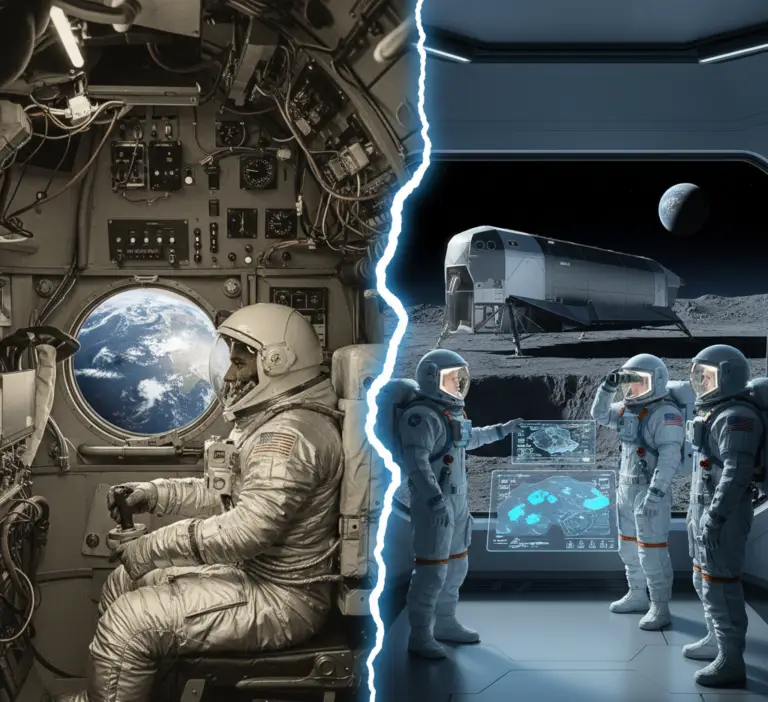
Before We Knew We Could Survive
From Project Mercury's desperate survival missions to Artemis learning to build lunar infrastructure—exploring how space exploration evolved from fear-driven engineering to the discipline of endurance and continuity.

Where cognitive autonomy meets aerospace and defense—environments where failure isn’t theoretical. Distributed defense systems, orbital and planetary robotics, and the architectures being built for what’s next.
From Project Mercury's desperate survival missions to Artemis learning to build lunar infrastructure—exploring how space exploration evolved from fear-driven engineering to the discipline of endurance and continuity.
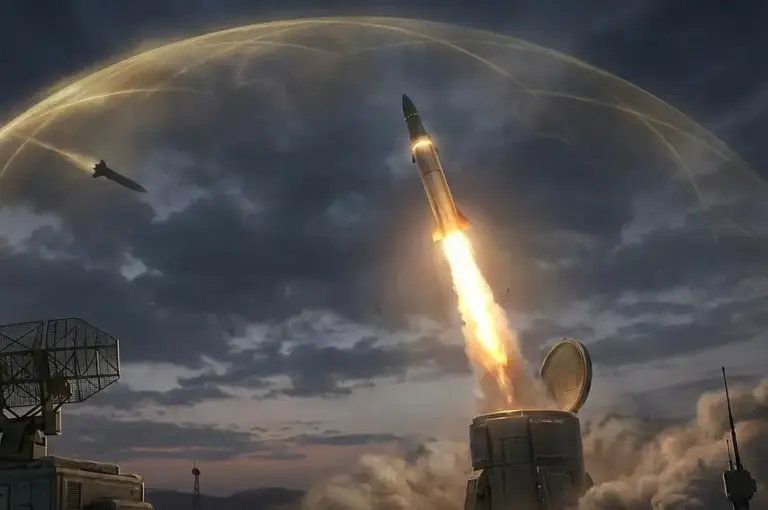
There's a growing assumption right now that building a national missile shield like the Golden Dome is a largely solved engineering problem—expensive, ambitious, but fundamentally understood. That assumption is wrong. What's being underestimated isn't hardware or physics, but cognition at scale.
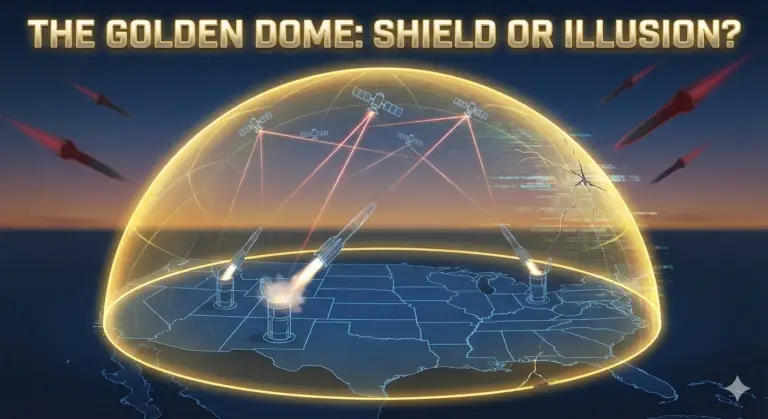
The U.S. just greenlit the most ambitious missile defense system in history. It looks like Star Trek, smells like Star Wars, and structurally resembles the Death Star—right down to the fatal flaw.

AI did not wait for permission to change aviation or space. It simply stepped in and started doing the work. In only a few months, we moved from talking about autonomous systems as distant possibilities to watching them fly fighter jets, navigate the darkest parts of the Moon, and run on hardware powerful enough to reshape the pace of innovation.