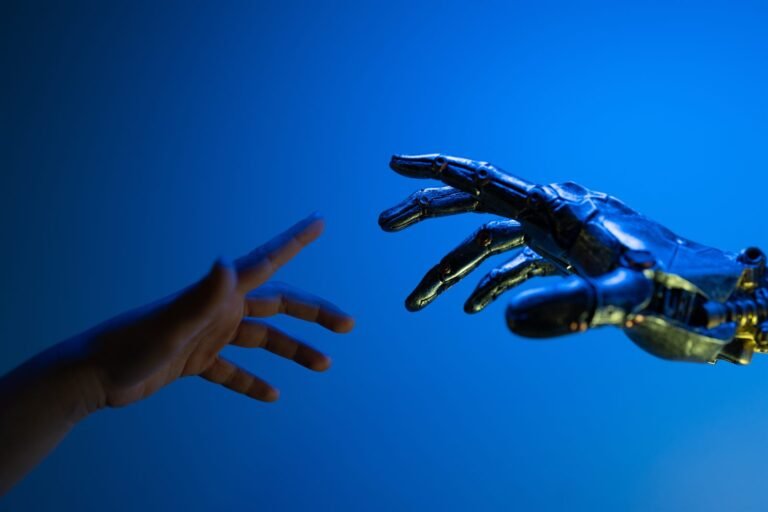
Robot skin can feel pain now. The hard part is teaching it to think.
We spent decades imagining a limb you don't just wear, but feel. Like Luke's hand. This year a lab built the part that always seemed impossible: the wince.
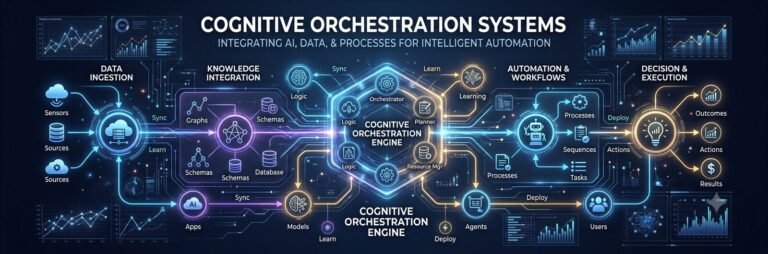
How intelligent systems think, reason, and scale under real constraints. Cognitive AI architecture, multi-agent orchestration, sustainable machine intelligence, and verification-first system design—what’s working and where the hard problems are.

We spent decades imagining a limb you don't just wear, but feel. Like Luke's hand. This year a lab built the part that always seemed impossible: the wince.

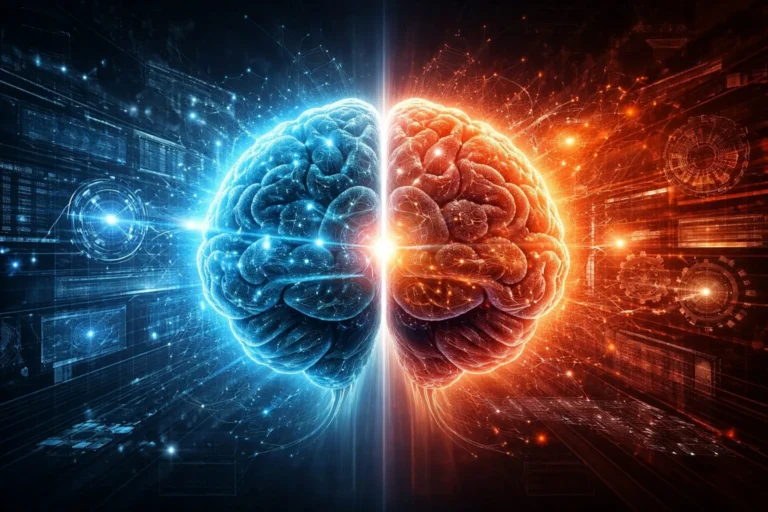
AI is not uniformly enhancing or degrading human intelligence. It is redistributing it. As tools absorb certain forms of reasoning, humans reallocate effort toward higher-level synthesis, judgment, and coordination. This shift creates a bifurcation in cognition itself: some skills atrophy while others accelerate. Understanding this split is essential to designing systems that augment rather than erode human capability.

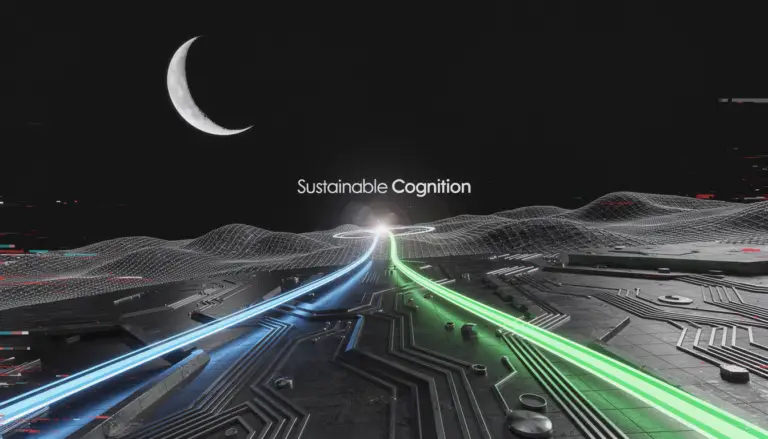
The IEA estimates global data center electricity consumption at 415 terawatt-hours in 2024, projecting growth to 945 TWh by 2030. This paper argues that achieving sustainable cognitive AI requires simultaneous optimization across three interdependent layers: neuromorphic hardware, software algorithms, and governance frameworks.

There's a growing assumption right now that building a national missile shield like the Golden Dome is a largely solved engineering problem—expensive, ambitious, but fundamentally understood. That assumption is wrong. What's being underestimated isn't hardware or physics, but cognition at scale.

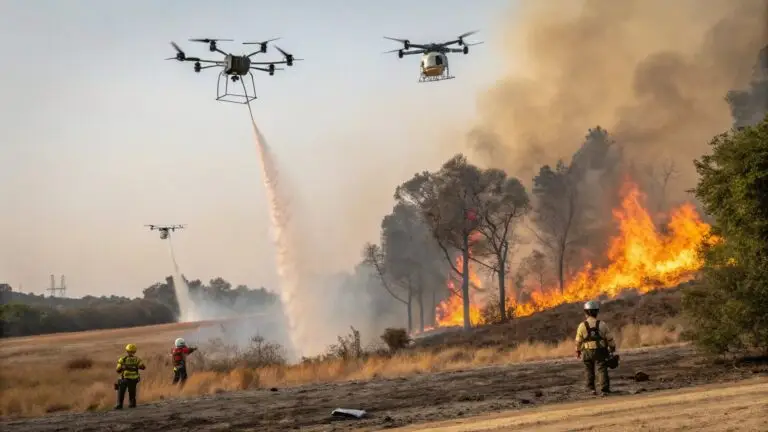
AI today can write code, compose music, and even fly drones—but it still can't truly think. It reacts, predicts, and imitates. But it doesn't perceive. That's the gap between the AI we know and the intelligence that's coming next: Cognitive AI.

We are racing toward Cognitive AI systems designed for continual learning, cross-domain transfer, and meta-learning across a lifetime. Yet this ambition collides directly with the energy obstacle. The next wave of breakthroughs will not come from brute-force compute scaling—it will come from smarter, physics-constrained compute.

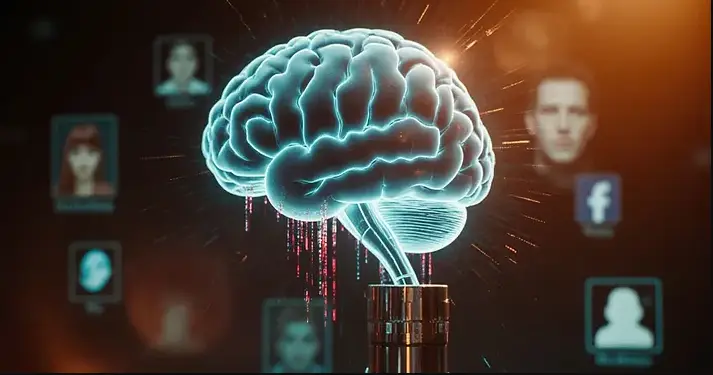
The internet is becoming toxic and AI is drinking from the stream. When Meta removed professional fact-checking, it didn't just change how people consume information—it altered how machines learn. Data poisoning, model collapse, and what it means for AI reliability.