
The AI Reset
Anthropic started watermarking Claude's text and people reacted like someone had announced the end of AI. I think they are asking the wrong question. The better one is what we became while AI was becoming normal.

Where AI, technology, and business meet the systems behind how real things actually get built and scaled. First-person case studies and playbooks from real engagements, showing the part the polished write-up leaves out, the move that actually worked and the non-obvious signal that only surfaces between the lines, read through a data-science lens.
Anthropic started watermarking Claude's text and people reacted like someone had announced the end of AI. I think they are asking the wrong question. The better one is what we became while AI was becoming normal.

A consultant sold us a six page strategy report that was generated, not written. The interesting question was never why he failed. It was why the company was so confident about what it was buying and so unclear about what it already had.
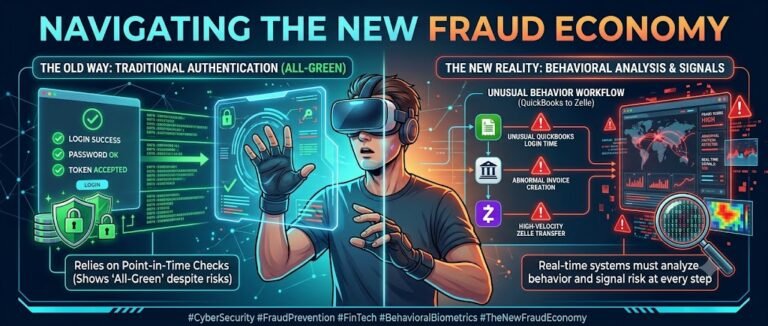
Someone used our business information to make a fraudulent transaction look legitimate. No malware, no stolen passwords, no alert. They studied how the process worked and walked through the front door of trust.
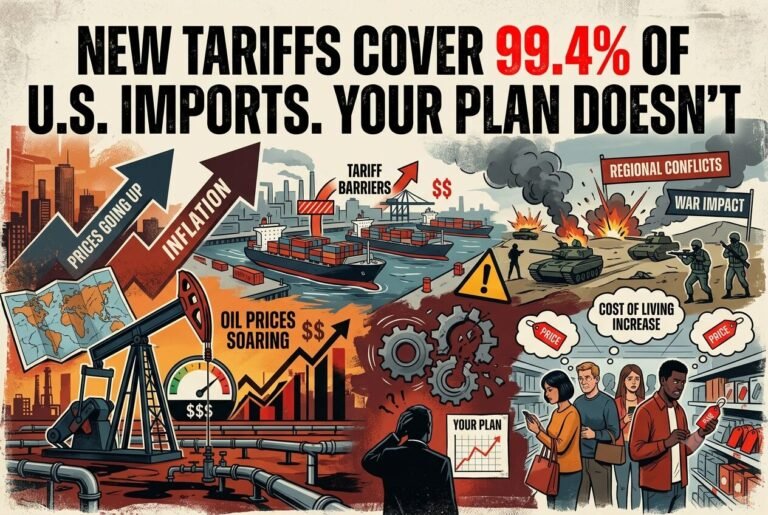
Three tariff actions in four days, war risk premiums up tenfold, and freight rates falling at the same time. The assumptions companies plan against are now expiring faster than the planning cycles built to use them.

Efficiency won when the world was stable. It no longer is. Why competitive advantage is shifting from optimization to operational intelligence, and how small teams now build sensing systems that used to require a department.

Inference got dramatically cheaper, yet enterprise AI bills keep climbing. The token tax is not a pricing problem, it is an architecture problem, and the missing middle layer is quietly becoming enterprise debt.

Most companies think they have a sales problem. They have a strategy problem in disguise. A decade of auditing startups and OEM manufacturers, and the pattern is always the same: activity went up, revenue did not, because no system connected market demand to the sale.

Expanding into Latin America is not the UK game of branding. Here is how traditional data science found the hidden, government-backed markets the incumbents never saw, and turned a sub-$1,000 trickle into a network across two continents.

The traditional international playbook says global expansion needs millions in capital and a big team. Here is how a two-person venture scaled across the UK and EU to a high revenue run rate in 90 days with zero upfront capital, and an AI intelligence system that cost under $9.