
Robot skin can feel pain now. The hard part is teaching it to think.
We spent decades imagining a limb you don't just wear, but feel. Like Luke's hand. This year a lab built the part that always seemed impossible: the wince.

We spent decades imagining a limb you don't just wear, but feel. Like Luke's hand. This year a lab built the part that always seemed impossible: the wince.
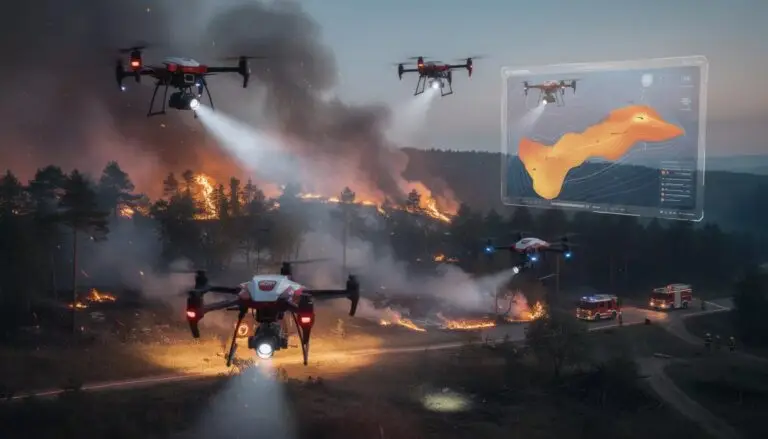
The commercial drone industry faces a critical scalability bottleneck: the "1:1 Ratio," where increasing fleet size linearly increases human cognitive load. COV—Cognitive Orchestration & Vision—is a novel architectural framework that decouples mission intent from flight execution, shifting the human role from "pilot" to "supervisor."
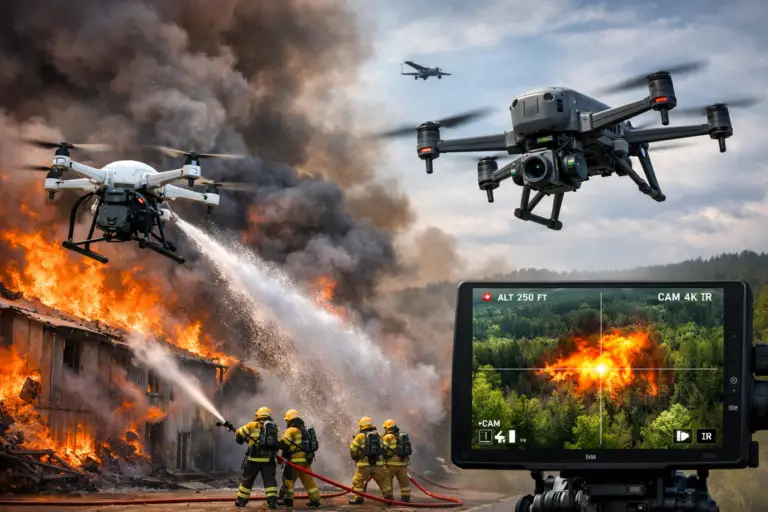
Years ago, I watched Prometheus and fixated on a small moment most people glossed over. Inside the alien structure, two spherical drones fly autonomously through dark, unknown corridors, scanning, mapping, and reconstructing the interior in real time. The scene wasn't flashy. It was practical. And it planted a thought that never quite faded: Why isn't this real yet?
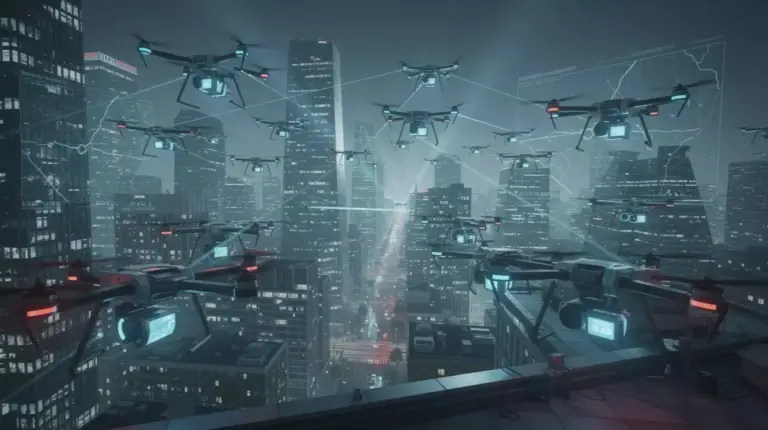
COV—Cognitive Orchestration & Vision—didn't emerge from speculative futurism. It emerged from a convergence of existing systems, peer-reviewed research, and a coordination problem that modern autonomy still hasn't solved. The bottleneck isn't perception or mobility. It's coordination under cognitive load.
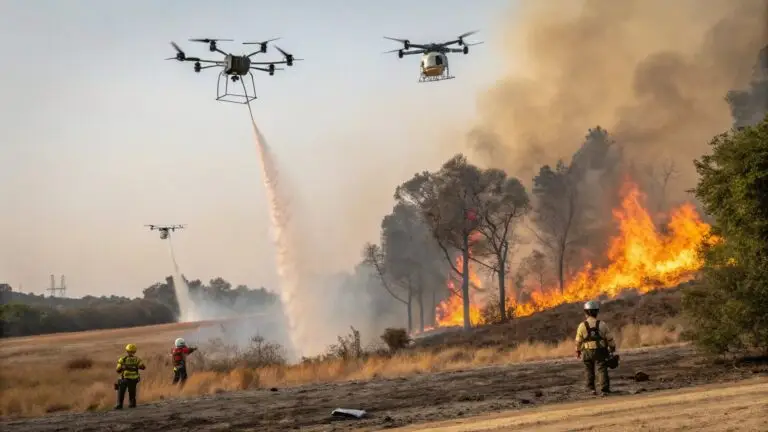
Shifting from Pilot-Centric to Intent-Centric Operations: A Framework for Scaling Autonomous Fleets without Linear Cost. 1. Abstract The commercial drone industry faces a critical scalability bottleneck: the “1:1 Ratio,” where increasing fleet size linearly increases human cognitive load. This paper…

AI today can write code, compose music, and even fly drones—but it still can't truly think. It reacts, predicts, and imitates. But it doesn't perceive. That's the gap between the AI we know and the intelligence that's coming next: Cognitive AI.