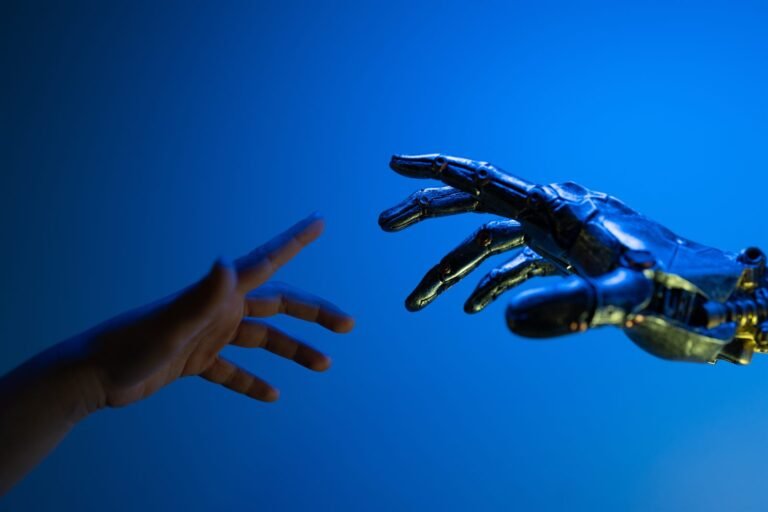
Robot skin can feel pain now. The hard part is teaching it to think.
We spent decades imagining a limb you don't just wear, but feel. Like Luke's hand. This year a lab built the part that always seemed impossible: the wince.

We spent decades imagining a limb you don't just wear, but feel. Like Luke's hand. This year a lab built the part that always seemed impossible: the wince.
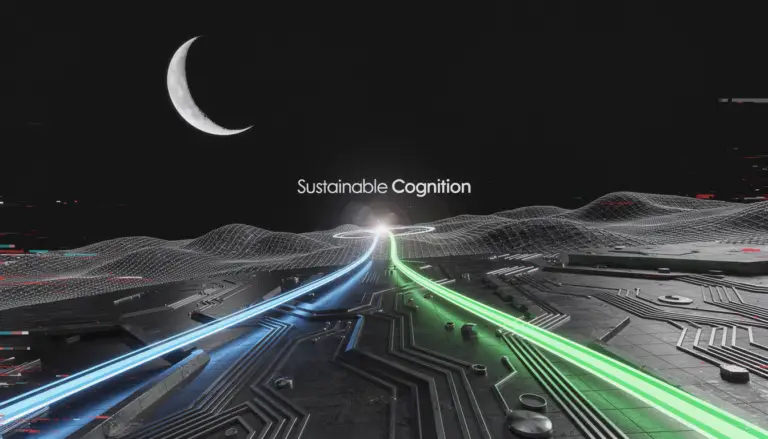
The IEA estimates global data center electricity consumption at 415 terawatt-hours in 2024, projecting growth to 945 TWh by 2030. This paper argues that achieving sustainable cognitive AI requires simultaneous optimization across three interdependent layers: neuromorphic hardware, software algorithms, and governance frameworks.
AI today can write code, compose music, and even fly drones—but it still can't truly think. It reacts, predicts, and imitates. But it doesn't perceive. That's the gap between the AI we know and the intelligence that's coming next: Cognitive AI.
We are racing toward Cognitive AI systems designed for continual learning, cross-domain transfer, and meta-learning across a lifetime. Yet this ambition collides directly with the energy obstacle. The next wave of breakthroughs will not come from brute-force compute scaling—it will come from smarter, physics-constrained compute.