
The AI Reset
Anthropic started watermarking Claude's text and people reacted like someone had announced the end of AI. I think they are asking the wrong question. The better one is what we became while AI was becoming normal.

Anthropic started watermarking Claude's text and people reacted like someone had announced the end of AI. I think they are asking the wrong question. The better one is what we became while AI was becoming normal.
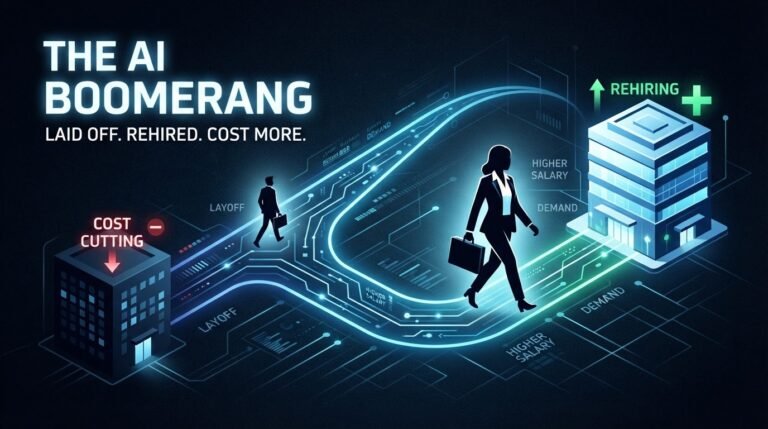
Companies that cut jobs for AI are quietly rehiring, and most of them didn't even save money doing it. The AI boomerang, and what it reveals about the real price of human judgment.

Seven unrelated AI competitions, one person, at the same time. The framework behind it was not built in a lecture hall. It was built by a broke teenager who could not stop losing at League of Legends.
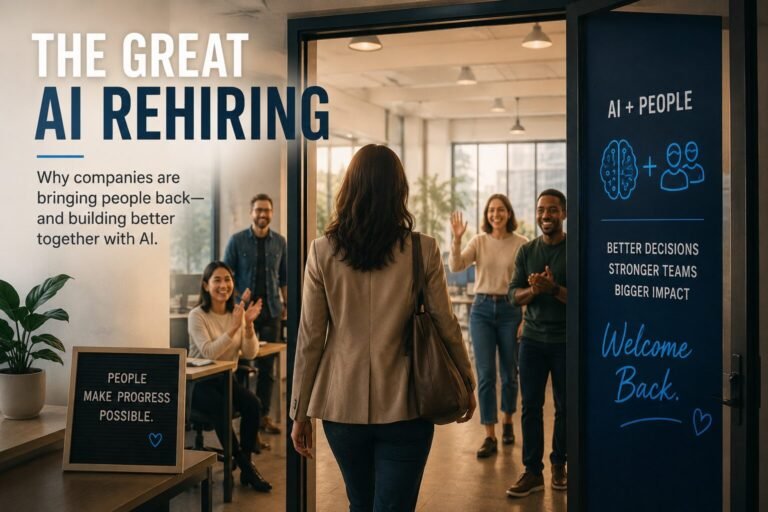
Everyone fears AI will replace them. The data shows the opposite happening: the companies that cut jobs for AI are quietly hiring people back, often to supervise the AI. Here is why it's breaking, with the receipts.

I built a multi-agent AI system of 21 specialized agents that never talk to each other, run for under $20 total, and have never fallen over. Here is the architecture, and why every strange decision was the right one.
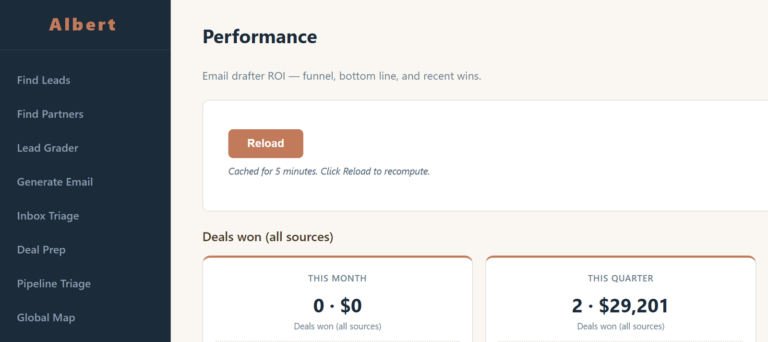
I built an AI sales team for under $1 a day. In 42 days it cost $15.85, closed $29,201, and beat Salesforce and HubSpot's AI at finding and working real leads. Here is how it works, and why I turned it off.
We spent decades imagining a limb you don't just wear, but feel. Like Luke's hand. This year a lab built the part that always seemed impossible: the wince.
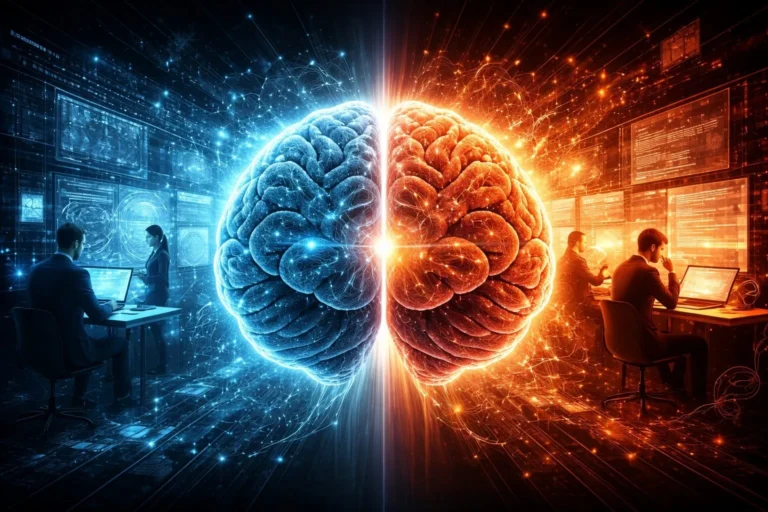
People who think first and use AI to accelerate gain leverage. People who let AI think for them accumulate cognitive debt. Research from MIT and enterprise studies shows the divide is already forming.
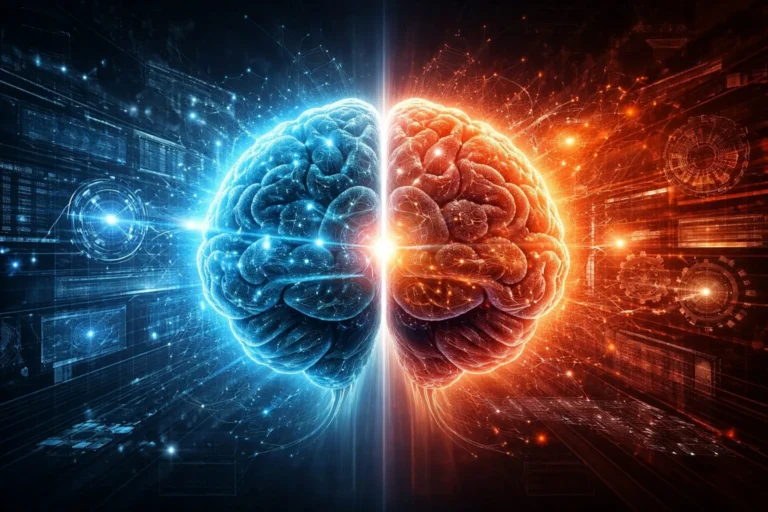
AI is not uniformly enhancing or degrading human intelligence. It is redistributing it. As tools absorb certain forms of reasoning, humans reallocate effort toward higher-level synthesis, judgment, and coordination. This shift creates a bifurcation in cognition itself: some skills atrophy while others accelerate. Understanding this split is essential to designing systems that augment rather than erode human capability.

For most of the last century, hospitality scaled by height. Towers, elevators, concrete, and controlled environments. But the market is changing. What's growing now is a different model of development—one that treats land, culture, and community as the core product.

This story isn't about speed for the sake of speed. It's about what happens when friction disappears. AI didn't invent the idea. It didn't decide the architecture, the revenue model, or the constraints. What it did was remove the bottlenecks that had stopped me from shipping for years.