Robot skin can feel pain now. The hard part is teaching it to think.
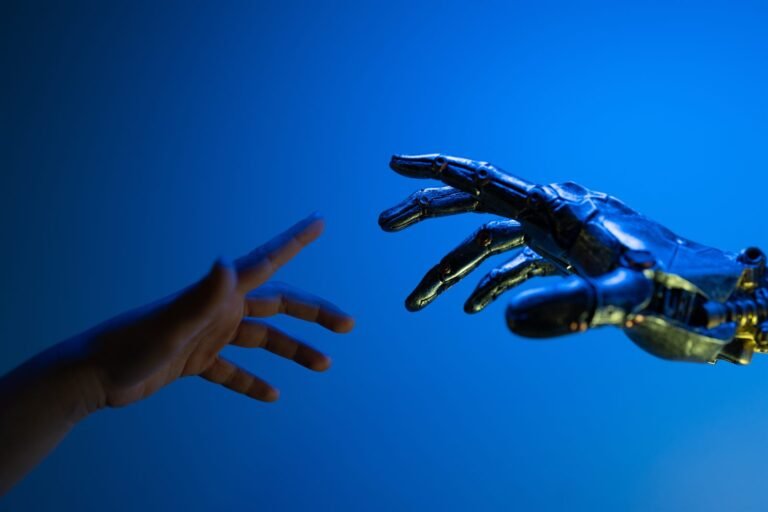
We spent decades imagining a limb you don't just wear, but feel. Like Luke's hand. This year a lab built the part that always seemed impossible: the wince.

We spent decades imagining a limb you don't just wear, but feel. Like Luke's hand. This year a lab built the part that always seemed impossible: the wince.

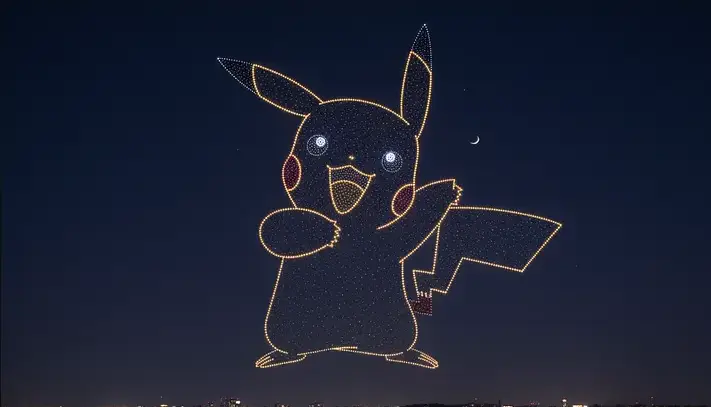
Last night, I was standing on the cold wet sand watching 200 drones swarm the sky like a hive of digital fireflies. As they locked into formation, the dark California sky didn't just hold stars anymore—it held a giant, glowing, neon Pikachu. By the time the drones landed, the simulation theory rabbit hole had opened wide.

There is a strange pattern you notice if you grew up in the Atari, Nintendo, or PlayStation era. Those early systems did not just entertain us—they trained us. They taught us logic, physics, resource management, experimentation, and the kind of curiosity that asks "what happens if I push this further."